

Table of Contents
- Can You Aerate Your Lawn Too Much?
- What Happens When You Over-Aerate
- Signs Your Lawn Has Been Over-Aerated
- Lawn Aeration Frequency: How Often Is Safe?
- Optimal Aeration Depth and Timing
- Hiring a Lawn Aerator in Mackay
- Key Takeaways
- Frequently Asked Questions
Last Updated: 30 September 2026
Can You Aerate Your Lawn Too Much?
Yes, you can aerate your lawn too much. Over-aeration damages grass, depletes soil nutrients, and creates conditions that invite weeds and disease. At MarKay Outdoors, we help Mackay customers choose the right lawn renovation equipment. This guide explains what happens when aeration goes wrong, how to spot the signs, and how often your lawn actually needs it.

The question isn't whether aeration is good. It is. The question is whether more of it is better. It isn't. Like most lawn care, aeration works best when matched to your lawn's actual condition and your climate.
What Happens When You Over-Aerate
Over-aeration stresses your lawn by creating too many holes in too short a time. Each hole is a wound. Your grass needs time to recover between aeration cycles.
When you aerate too often, the grass plant can't rebuild its root system fast enough. The soil structure gets disrupted repeatedly. Compaction actually gets worse over time because the soil has no chance to stabilise between passes.
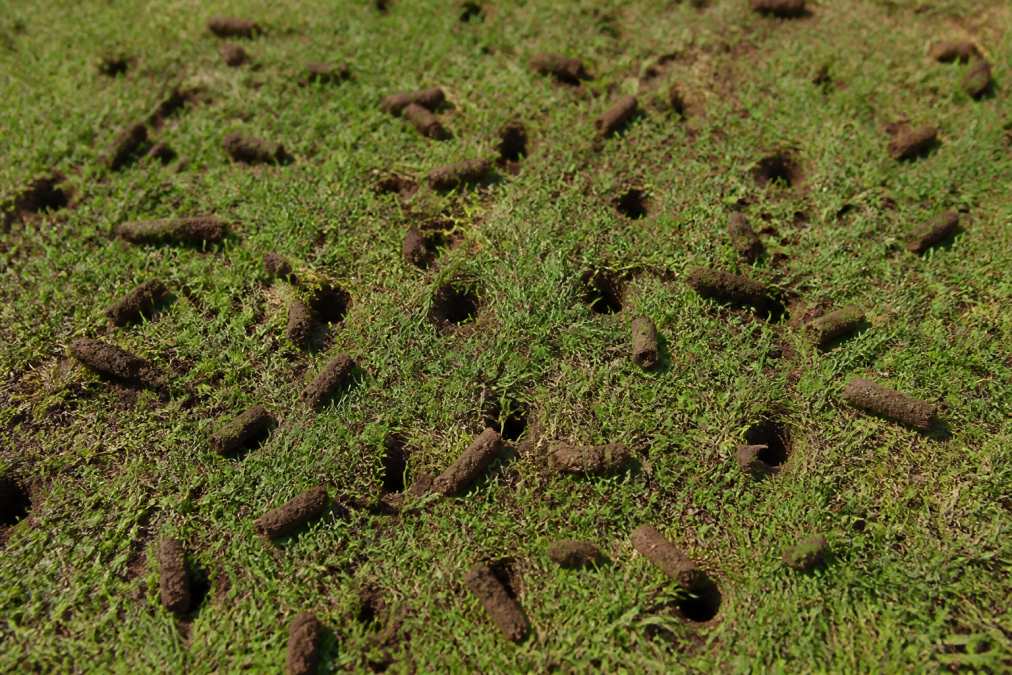
Excess aeration also removes too much organic matter from the soil. Those soil plugs you see on the lawn after aeration? They contain nutrients and microorganisms. Remove them too frequently, and you're essentially stripping your soil of resources it needs to stay healthy.
Weeds and disease thrive in stressed turf. A lawn that's been over-aerated becomes thin and weak. Weeds germinate in the bare patches. Fungal diseases find easier entry points through damaged grass tissue. You end up fighting problems you created.
Signs Your Lawn Has Been Over-Aerated
Look for these indicators that your lawn has had too much aeration:
- Visible thinning. The grass looks patchy or sparse where it was previously dense. Bare soil shows through in multiple areas.
- Excessive plugs or holes. The lawn is covered in so many aeration holes that it looks more like a sieve than grass. Holes are still visible weeks after aeration.
- Wilting or brown patches. Grass wilts between waterings or turns brown in aerated areas, even with adequate moisture and sunlight.
- Increased weed growth. Weeds establish quickly in weak turf. If you notice a sudden spike in dandelions, clover, or other weeds after aeration, over-aeration may be the cause.
- Fungal issues. Patches of rust, dollar spot, or other fungal diseases appear shortly after aeration.
- Soil erosion. Heavy rain washes soil away from aeration holes instead of the holes filling in naturally.
These signs usually appear within 2-4 weeks of over-aeration. If you see them, stop aeration immediately and focus on recovery: adequate water, proper mowing height, and time.
Lawn Aeration Frequency: How Often Is Safe?
Most lawns need aeration once per year, typically in spring or autumn. Some lawns benefit from aeration every 18-24 months. Very few lawns need it more than once a year.
Aeration frequency depends on:
- Soil type. Clay soils compact easily and may need annual aeration. Sandy soils drain well and rarely need it.
- Foot traffic. High-traffic areas (pathways, play zones) compact faster and may need aeration more often. Low-traffic lawns may only need it every 2-3 years.
- Lawn age. Established lawns (5+ years) typically need less frequent aeration than newly seeded areas.
- Drainage issues. If water pools on your lawn after rain, annual aeration helps. If drainage is good, you can extend the interval to 18-24 months.
The safest approach: aerate once per year during your lawn's active growing season. In most of Australia, that's spring (September-November) or autumn (March-May). Never aerate during dormancy or drought.
If you're unsure whether your lawn needs aeration this year, look at the soil. Dig a small hole 10 cm deep. If soil compacts easily and resists a garden fork, aeration will help. If soil crumbles easily and drains well, skip it this season.
Optimal Aeration Depth and Timing
Aeration depth matters as much as frequency. Core aerators should pull plugs 5-7 cm deep. Deeper isn't better, it just damages more roots and soil structure.
Shallow aeration (2-3 cm) doesn't relieve compaction effectively. Deep aeration (10+ cm) damages the root zone and causes unnecessary stress. The 5-7 cm range addresses compaction without excessive trauma.
Lawn Aerator & Trailer Hire Mackay →
Timing is equally important. Aerate when:
- Grass is actively growing. Spring and autumn are ideal. Avoid aeration during summer heat or winter dormancy.
- Soil moisture is moderate. Aerate after rain or irrigation, when soil is moist but not waterlogged. Wet soil compacts during aeration; dry soil resists penetration.
- You have time to water. Aerated lawns need regular watering for 2-3 weeks after treatment. Plan aeration when you can maintain consistent moisture.
Never aerate during drought, heatwaves, or when grass is stressed. Wait until conditions improve.
Hiring a Lawn Aerator in Mackay
If you're planning lawn aeration this season, hiring equipment gives you control over timing, depth, and frequency. You decide when and how often to aerate, and you can stop if you see signs of stress.
MarKay Outdoors offers aerator hire Mackay with a trailer included, so transport is straightforward. A core aerator removes soil plugs rather than just punching holes, which means better results for compacted soil.

If your lawn needs more than just aeration, thatch removal, top dressing, or a full renovation, the lawn care equipment hire package includes a dethatcher, aerator, rakes, and garden bags. It's designed for complete lawn renovation in one hire period.
Hiring lets you work at your own pace and monitor results. You'll see exactly what aeration does to your lawn and can adjust your approach based on how your grass responds.
Key Takeaways
Can you aerate your lawn too much? Absolutely. Over-aeration damages turf, depletes soil, and invites weeds and disease. Most lawns need aeration once per year at most. Watch for signs of stress, thinning, excessive holes, wilting, or weed growth, and stop if you see them.
Aerate at the right depth (5-7 cm), during active growing season, when soil moisture is moderate. Match aeration frequency to your lawn's condition, not a calendar. A healthy lawn that drains well may only need aeration every 2-3 years.
When you hire equipment, you control the process. You can aerate thoughtfully, monitor results, and adjust based on what your lawn actually needs. That's the difference between aeration that helps and aeration that harms.
Frequently Asked Questions
How often should you aerate a lawn?
Most lawns benefit from aeration once per year, typically in spring or autumn when grass is actively growing. High-traffic areas or lawns with heavy clay soil may need aeration every 12 months, whilst established lawns in good condition may only need it every 2-3 years. The key is assessing whether your soil is compacted before deciding to aerate again.
What are the signs of over-aerating a lawn?
Over-aerated lawns show excessive bare patches, thinning grass coverage, increased weed invasion, and visible soil disturbance across the surface. If you aerate too frequently or too deeply, you expose soil to erosion, disrupt established root systems, and create conditions that favour weeds over grass. The lawn may look stressed and take weeks to recover.
Does aerating too frequently damage grass roots?
Yes. Repeated aeration in short intervals can damage shallow root systems and destabilise the soil structure. Grass roots need time to establish and anchor into the soil. Over-aerating prevents this recovery and can result in weak, sparse grass that's more susceptible to drought and disease.
Can you aerate a lawn that is already healthy?
A healthy lawn with good drainage and no visible compaction doesn't need aeration. Aerating healthy soil unnecessarily creates disturbance and bare patches without benefit. Assess your lawn first: if water drains well, grass grows vigorously, and there's no foot-traffic damage, skip aeration and focus on regular maintenance instead.
Getting lawn aeration right means understanding your soil and your lawn's growth cycle. MarKay Outdoors provides core aerators and complete lawn care packages so you can handle renovation on your schedule. View our equipment and hire options to book your aerator today.