

Table of Contents
- Why Mackay Lawns Suffer from Soil Compaction
- How Lawn Aeration Benefits Your Soil
- Signs Your Lawn Needs Aeration
- Best Time to Aerate in Mackay
- Core Aerator Hire vs Spike Aeration
- Lawn Renovation Equipment and Care Maintenance Packages
- DIY Aeration: What to Expect and How to Get Started
- Frequently Asked Questions
Last Updated: August 29, 2026
Why Mackay Lawns Suffer from Soil Compaction
Soil compaction is the enemy of healthy grass. When soil becomes densely packed, water runs off instead of soaking down to the root zone, nutrients stay locked away where roots can't reach them, and air pockets collapse. Your lawn then struggles to establish deep roots, becomes vulnerable to disease, and starts looking thin and patchy no matter how much you water or fertilise it.
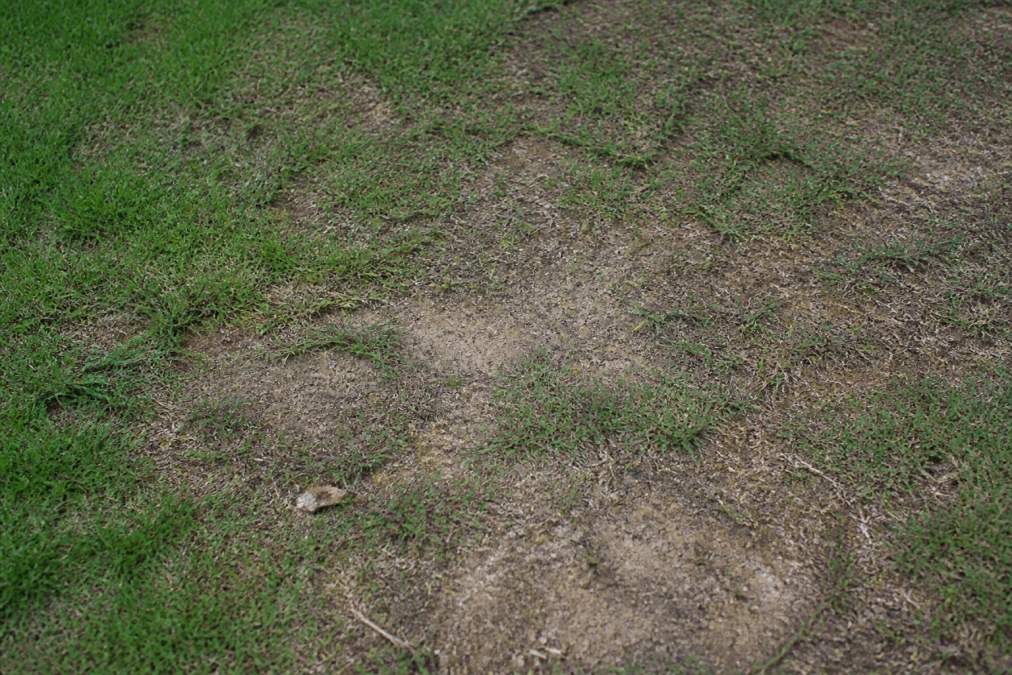
In Mackay's climate, this problem is particularly acute. Our soil tends toward clay content, which naturally compacts over time. Add regular foot traffic, vehicle movement, lawn mowing, and the weight of garden furniture, and you've created an environment where grass simply can't thrive. Even if your lawn looked good five years ago, compaction builds gradually until one season you notice the grass has given up fighting back.
The real issue isn't that compaction happens, it's that most homeowners don't realise it's happening until the damage is obvious. By then, surface treatments won't fix it. You need to go deeper, literally, to restore the soil structure underneath.
How Lawn Aeration Benefits Your Soil
Lawn aeration benefits your lawn by creating pathways for air, water, and nutrients to penetrate deep into the root zone. When a core aerator removes small plugs of soil, it instantly relieves compaction and opens up space for roots to expand downward. This is the foundation of everything that follows, better water retention, stronger nutrient uptake, and healthier grass growth.

The process works because it addresses the root cause rather than treating symptoms. Instead of applying more fertiliser to struggling grass, aeration allows existing nutrients to reach where they're needed. Instead of increasing irrigation during dry spells, aeration improves water infiltration so moisture stays in the soil longer. The grass responds by developing deeper, more resilient root systems.
Beyond the immediate physical relief, aeration also improves soil biology. When you create air pockets and allow water to move freely, you're creating conditions where beneficial microorganisms thrive. These microbes break down organic matter, release locked nutrients, and improve soil structure over time. It's a compounding effect, the more you aerate regularly, the better your soil becomes naturally.
For Mackay properties specifically, aeration is essential because our clay-based soils compact so easily. A single aeration session can transform water infiltration rates, turning a lawn that sheds water into one that holds it. This is particularly valuable during our warmer months when lawns face heat stress and need reliable moisture reserves.
Signs Your Lawn Needs Aeration
Your lawn will tell you when compaction is a problem if you know what to look for. Pooling water after rain is one of the clearest signs, if water sits on the surface instead of soaking in within minutes, compaction is preventing infiltration. Similarly, if you notice your lawn dries out quickly even when you've watered well, that's often compaction limiting water retention in the root zone.
Thin, weak growth is another indicator. Grass that looks sparse, has visible bare patches, or seems to thin out gradually over a season is often struggling because roots can't penetrate deep enough to access nutrients and water. Weeds also exploit compacted soil because they're more aggressive competitors than weakened lawn grass.
If you've been mowing the same lawn for several years without aeration, compaction is almost certainly present. Foot traffic and mower weight alone gradually compress soil, especially in high-traffic areas like pathways across the lawn or around garden beds.
A simple test: push a screwdriver or steel rod into your lawn. If you can't push it more than 10-15 centimetres without significant resistance, compaction is limiting root depth. Healthy soil should allow you to push a rod down 20 centimetres or more with reasonable effort.
Best Time to Aerate in Mackay
Timing matters because you want to aerate when grass is actively growing and can recover quickly. In Mackay, that means late autumn through early spring, roughly March through October, is your ideal window. During this period, temperatures are moderate, grass grows steadily, and the soil is usually moist enough to aerate without difficulty.
Autumn (March to May) is particularly effective because grass is entering a growth phase and the soil often has good moisture content. Spring (August to October) is equally good for the same reasons. Both seasons give grass time to establish new roots and fill in any thin areas before summer stress arrives.
Avoid aeration during peak summer (December to February) when heat stress makes grass vulnerable and soil can become too hard to aerate effectively. Winter (June to July) is also suboptimal because grass growth slows dramatically, so recovery is slower.
If your lawn shows severe compaction, you might aerate twice a year, once in autumn and again in spring. Most lawns benefit from annual aeration, scheduled for whichever season suits your schedule best within that March-to-October window.
Core Aerator Hire vs Spike Aeration
Core aeration and spike aeration sound similar but work very differently. Understanding the difference matters because one is genuinely effective and the other is largely ineffective.
Core aeration removes small plugs of soil from the lawn, creating genuine air pockets and relieving compaction. These plugs stay on the surface briefly before breaking down naturally, and the holes they leave behind provide real pathways for air, water, and roots. This is the method that actually solves compaction problems.
Spike aeration pushes solid spikes into the soil without removing anything. It might create temporary pressure relief, but it doesn't address the core issue, it can actually worsen compaction by further compressing soil around each spike. Spike aeration is cheap, which is why some providers offer it, but it's not a genuine solution for compacted soil.
For Mackay lawns dealing with real compaction, core aeration is the only method worth considering. The equipment is heavier and takes more effort to operate, but the results are measurable. Your lawn will recover faster, water infiltration improves dramatically, and you'll see visible improvement within weeks.
If you're hiring equipment for the job, make sure you're getting a core aerator, not a spike aerator. The difference in outcome is substantial enough to justify the extra hire cost and effort.

Lawn Renovation Equipment and Care Maintenance Packages
A complete lawn renovation often involves more than just aeration. Depending on your lawn's condition, you might combine aeration with dethatching, topdressing, and soil conditioning to achieve the best results.
Dethatching removes the layer of dead grass and organic matter that builds up on the soil surface. When thatch gets too thick, it prevents water and nutrients from reaching the soil, and it creates an ideal environment for pests and disease. Dethatching before aeration helps the aerator work more effectively and allows your lawn to respond better.
Topdressing involves spreading a thin layer of quality soil, sand, or compost across the lawn after aeration. This fills the holes left by the aerator, introduces fresh organic matter, and helps level minor undulations. It's particularly valuable on Mackay properties where clay soil needs organic matter to improve structure long-term.

Soil conditioning products like liquid wetting agents help improve water penetration and retention in clay-heavy soils. These work especially well in combination with aeration because the open soil structure allows the product to distribute more effectively through the root zone.
Many Mackay properties benefit from combining these tasks into a single renovation project. You can hire equipment to aerate, dethatch if needed, topdress, and apply a soil conditioner. MarKay Outdoors offers equipment for these tasks, including the Lawn Care Trailer Hire Mackay | Aerator + Dethatcher + Rakes Included for $250.00, which simplifies logistics and ensures you have everything needed for a complete job.
DIY Aeration: What to Expect and How to Get Started
Operating a core aerator yourself is straightforward if you understand what to expect. The machine is heavy and requires some physical effort to control, but the learning curve is short.
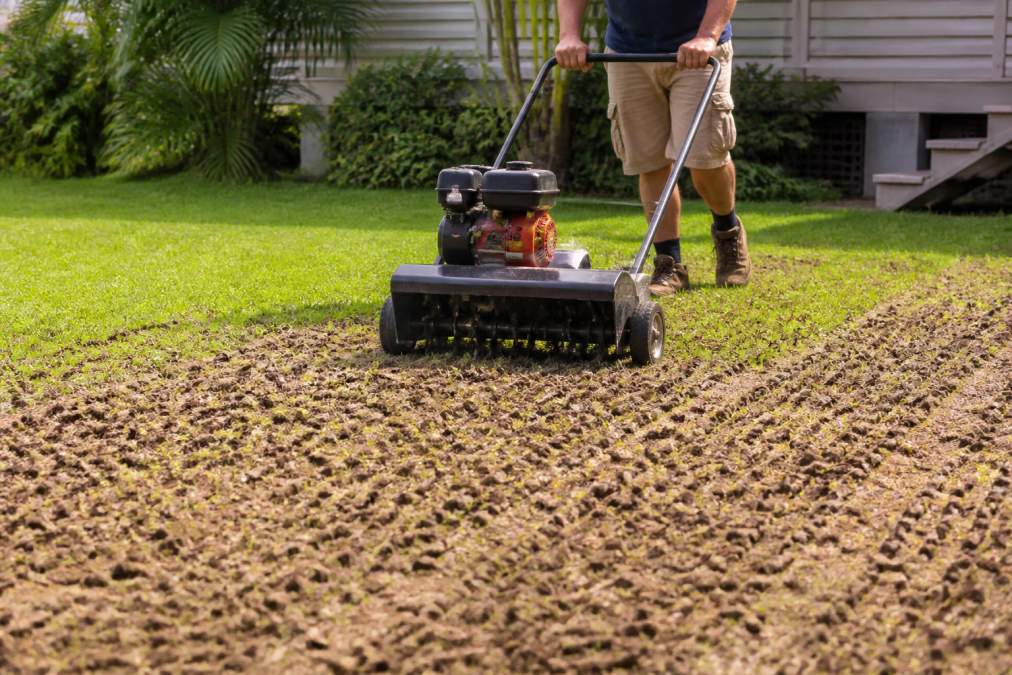
Before you start, mark any underground utilities on your property. Call Dial Before You Dig (1100) to locate electricity, gas, water, and telecommunications lines. This takes 2-3 working days, so plan ahead. Once you've got clearance, you're ready to begin.
Mow your lawn to normal height before aerating. Water the lawn lightly 1-2 days before aeration so the soil is moist but not waterlogged, this helps the aerator penetrate without getting bogged down. Dry soil is too hard; waterlogged soil clogs the machine.
Start the aerator and walk it across your lawn in straight, overlapping passes, similar to mowing. The machine will feel heavy but manageable. You'll hear soil plugs being ejected as you go. Work at a steady pace, rushing doesn't help and just tires you out. Most residential lawns take 1-2 hours depending on size.
After aeration, leave the soil plugs on the surface for 1-2 weeks. They'll break down naturally and return nutrients to the lawn. Don't rake them away. Water your lawn normally after aeration, and consider topdressing within a week if your soil is particularly poor quality.
You'll notice thin areas start filling in within 3-4 weeks. Full recovery typically takes 6-8 weeks as grass establishes new roots and fills bare patches. The improvement is usually visible enough that you'll wish you'd done it sooner.
For Mackay homeowners, hiring a core aerator is straightforward. MarKay Outdoors offers flexible hire periods, including same-day, 24-hour, and multi-day options. For example, the Lawn Aerator & Trailer Hire Mackay | Core Aerator Hire is available for $190.00 and comes trailer-ready, so you can collect it and start work immediately.
Lawn aeration is one of the highest-impact tasks you can do for a struggling lawn, especially in Mackay where soil compaction is a persistent problem. The benefits compound over time, each aeration improves soil structure, and consistent annual aeration transforms a tired lawn into one that's genuinely healthy and resilient. If your lawn has shown signs of compaction or you haven't aerated in several years, this season is the right time to address it. Dial Before You Dig utility location service ensures you can work safely, and hiring a core aerator makes the job manageable for any homeowner willing to put in a few hours of effort. The result is worth every bit of that effort, a lawn that actually thrives rather than merely survives.
Frequently Asked Questions
How often should I aerate my lawn?
Most lawns benefit from aeration once yearly, typically in spring or autumn. Heavily trafficked areas, clay soils, or lawns showing signs of compaction may need aeration twice a year. Light, sandy soils require less frequent aeration. If your lawn shows poor drainage, thin patches, or feels hard underfoot, annual aeration will improve results significantly.
What's the difference between core aeration and spike aeration?
Core aeration removes small plugs of soil from the lawn, creating channels for air, water and nutrients to penetrate. Spike aeration simply pokes holes without removing soil. Core aeration is more effective for compacted soil because the removed plugs break down and improve soil structure. Spike aeration works for light maintenance but won't relieve severe compaction as effectively.
Can I aerate my lawn myself, or should I hire equipment?
You can absolutely aerate your lawn yourself by hiring a core aerator. Most DIY operators find the process straightforward, the machine does the hard work. Hiring equipment is cost-effective for one-off projects and gives you flexibility to work at your own pace. MarKay Outdoors offers core aerator hire, including a trailer for easy transport, making DIY aeration practical for homeowners without specialised machinery.
What lawn care products should I use after aeration?
After aeration, soil wetting agents help water penetrate deeper into the root zone, especially useful during Mackay's warmer months when lawns face dry patches. Quality topdressing applied post-aeration fills in bare spots and improves soil structure. MarKay Outdoors supplies LawnHub lawn care products locally, including [LawnHub WET 1litre - Soil Wetter for Better Water Penetration in Mackay Lawns](https://markayoutdoors.com.au/products/wet-1litre) for $34.95. Combining aeration with other lawn renovation equipment, such as a dethatcher and top dresser, delivers the best results for lawn renovation.
This article was written using GrandRanker