

Table of Contents
- Why Equipment Hire Maintenance Matters for Your Projects
- Pre-Start Checklist for Mini Loaders
- Dry Hire Equipment Maintenance Responsibilities During Use
- How to Clean Hired Stump Grinders Properly
- Lawn Equipment Care: Dethatcher and Aerator Maintenance
- Post-Hire Inspection and Return Checklist
- Common Maintenance Mistakes to Avoid
- Conclusion
- Frequently Asked Questions
Last Updated: September 21, 2026
Why Equipment Hire Maintenance Matters for Your Projects
Keeping hired equipment in good working order isn't just about following rules, it protects your investment, keeps your project on track, and ensures you get the results you're paying for. When you hire equipment like a mini loader or stump grinder, you're responsible for basic maintenance during use. That means checking fluid levels, watching for warning signs, and cleaning properly before return.

The difference between a smooth hire and a frustrating one often comes down to simple maintenance habits. Equipment that's been neglected during use breaks down mid-project. You lose time. You lose money. The hire company may charge damage fees. None of that has to happen.
This guide walks you through the equipment hire maintenance checklist you need, before you start, during use, and when you return the equipment.
Pre-Start Checklist for Mini Loaders
Before you fire up a mini loader, spend ten minutes on a visual and physical inspection. This is where most problems get caught before they become expensive.
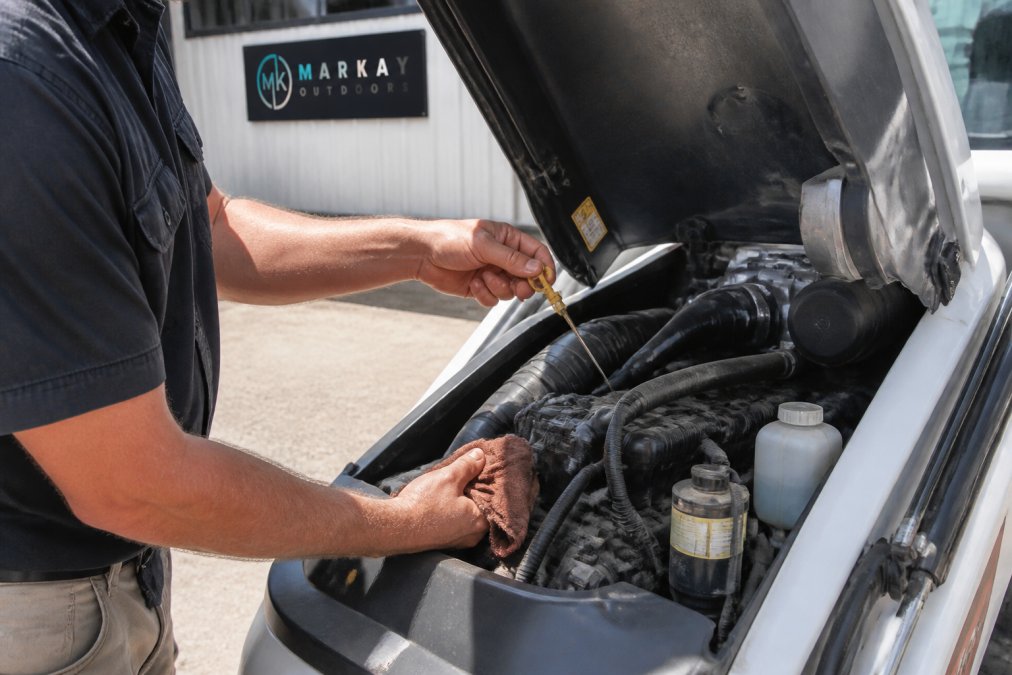
Visual and Physical Inspection
Walk around the entire machine. Look for obvious damage, cracked hoses, loose bolts, bent bucket teeth, hydraulic fluid pooling underneath. Check that all attachment pins are secure and that the bucket or other attachments move freely without grinding or unusual sounds.
Inspect the tyres or tracks for visible damage, proper inflation (if applicable), and debris wrapped around them. Look at the cab or control area for cracks in glass or missing controls. Test that all the controls move smoothly before you start the engine.
Most hire companies conduct pre-delivery checks. But equipment gets bumped during transport. Catching damage now means you won't be held responsible later. When you hire a Mini Loader Hire Mackay machine, a thorough pre-start inspection takes just minutes and protects you both.
Fluid and Fuel Levels
Check the engine oil level using the dipstick. The level should sit between the minimum and maximum marks. If it's low, top it up with the correct oil grade specified in the manual (your hire provider should tell you which).
Check the hydraulic fluid reservoir. The level should be visible in the sight glass on the side of the reservoir. Low hydraulic fluid causes sluggish bucket movement and can damage the pump. If it's low, add the correct hydraulic fluid.
Fill the fuel tank completely before you start work. Running out of fuel mid-project is frustrating and wastes time. Use the fuel type specified in the manual, usually unleaded petrol for compact loaders.
Check the coolant level if the machine has a separate coolant reservoir. Coolant keeps the engine from overheating, especially important during heavy use on warm days.
Dry Hire Equipment Maintenance Responsibilities During Use
When you hire equipment on a dry-hire basis, you operate it yourself. That means you're responsible for keeping it running smoothly during your hire period. This isn't complicated, but it does require attention.
Daily Operational Care
If you're using the equipment for multiple days, do a quick check each morning before you start work. Top up fuel and hydraulic fluid if needed. Listen to the engine, unusual knocking or grinding sounds mean something's wrong. Stop and investigate rather than pushing through.
Avoid overloading the bucket beyond its rated capacity. Overloading strains the hydraulic system and can cause permanent damage. The manual specifies maximum load weights.
Clear debris from the engine bay and radiator regularly. Dirt and grass clippings block airflow and cause overheating. Use a soft brush or compressed air, never a high-pressure jet.
Operate the equipment smoothly. Avoid sudden jerky movements or rapid bucket cycles. Smooth operation reduces strain on hydraulic components and extends equipment life.
Monitoring for Problems
Watch for warning signs during operation. If the bucket moves slowly or jerks, hydraulic pressure may be dropping. If the engine temperature gauge climbs toward the red zone, stop and let it cool. If you hear grinding or squealing, stop immediately, these sounds indicate bearing or belt problems.
Most modern hired equipment has warning lights or gauges. Learn what they mean before you start. If a warning light comes on, stop work and check the manual or contact your hire provider.
Check underneath the machine occasionally for fluid leaks. A small puddle where you parked suggests a leak that needs attention before you continue.
How to Clean Hired Stump Grinders Properly
Stump grinders accumulate wood chips, dirt, and debris inside the cutting chamber and around the engine. Cleaning properly before return protects the machine and ensures you're not charged for cleaning fees.
Let the grinder cool completely before cleaning. The engine and cutting head get extremely hot during use.
PW628 Kanga Mini Loader Hire Mackay →
Remove large debris by hand, wood chips, rocks, and dirt that's caked on. Use a soft brush to sweep out the grinding chamber. Don't use a high-pressure jet wash, which can force water into bearings and damage seals.
Wipe down the exterior with a damp cloth. Pay attention to the engine cooling fins, these need to be clear of debris so the engine can cool properly.
Check that the cutting wheel spins freely and isn't jammed with debris. If it's stuck, stop and investigate. Never force it.
Inspect the engine for leaks before you return it. If you've spilled fuel or hydraulic fluid during use, clean it up so the hire company knows it's not a pre-existing problem.
When you hire a Stump Grinder Hire Mackay machine, proper post-use cleaning ensures the equipment stays in top condition for the next user and helps protect you from damage claims.
Lawn Equipment Care: Dethatcher and Aerator Maintenance
Lawn equipment like dethatchers and aerators works in soil and grass. They need attention to prevent rust and ensure smooth operation.
After each use, remove soil and grass from the tines or blades. Dried soil is harder to remove, so do this while it's still damp. Use a soft brush or your hands, not a pressure washer, which can bend tines or force water into bearings.
Check that tines or blades aren't bent or broken. Damaged tines reduce performance and can cause the machine to vibrate excessively. Report damage to your hire provider so it's documented.
Wipe down the frame and engine with a damp cloth to remove soil residue. Soil left on metal surfaces can rust, especially if the equipment sits unused for a few days before return.
Check the engine oil level before your final use day.
Post-Hire Inspection and Return Checklist
The final inspection protects you and ensures a smooth return process.
| Checklist Item | When | Why |
|---|---|---|
| Visual inspection | Before pickup | Catch pre-existing damage |
| Fluid levels | Before first use | Prevent engine/hydraulic damage |
| Daily checks | Each morning (multi-day hire) | Catch problems early |
| Debris removal | After each use | Prevent rust and overheating |
| Final inspection | Before return | Document condition |
| Fuel top-up | Before return | Meet hire agreement terms |
Common Maintenance Mistakes to Avoid
Skipping the pre-start inspection seems like saving time. It costs time when equipment fails mid-project. Spend the ten minutes. It prevents problems.
Conclusion
Equipment hire maintenance isn't complex, but it does require attention. A quick pre-start check, basic care during use, and proper cleaning before return keep equipment running smoothly and protect you from unexpected damage charges. When you hire compact equipment from MarKay Outdoors, you're getting well-maintained machines, and you're responsible for keeping them that way during your hire period.
Safe Work Australia guidance on equipment operation and maintenance
Australian Standards for compact equipment safety and maintenance
Queensland workplace health and safety regulations for equipment hire
Frequently Asked Questions
What should I check before starting hired equipment on my first day?
Begin with a visual walk-around: look for visible damage, loose parts, or leaks. Check all fluid levels (engine oil, coolant, hydraulic fluid) against the dipstick or sight glass. Inspect tyres for wear and pressure, test all controls and switches, and verify that all safety guards are in place. Many hire businesses provide a pre-start checklist with the equipment. Run through it completely before operating the machine. If anything seems wrong or unclear, contact the hire provider before you start work.
Who is responsible for equipment hire maintenance responsibilities during a dry-hire period?
In a dry-hire arrangement, you are responsible for daily operational care and basic maintenance while you have the equipment. This includes checking fluid levels, cleaning debris, and reporting any damage or mechanical issues immediately. The hire business remains responsible for major repairs and the overall condition of the machine before you collect it. Always clarify maintenance expectations with your hire provider when you book, and report problems straight away so they can advise whether you should stop using the equipment.
How often should I clean a hired stump grinder during a multi-day hire?
Clean the stump grinder at the end of each working day. Remove accumulated wood chips, bark, and debris from the grinding chamber, discharge chute, and external surfaces using a brush or compressed air. Check that cooling fins are clear so the engine can cool properly. Wipe down the deck and handles to prevent buildup. A quick daily clean takes 10-15 minutes and helps prevent overheating, keeps moving parts free, and makes it easier to spot any damage or wear before the next day's work.
What happens if I return hired equipment in poor condition?
Most hire agreements specify that you return equipment in the same condition as you received it, reasonable wear excepted. Excessive dirt, damage caused by misuse, or missing parts may result in additional charges. Always return equipment clean, with fuel topped up if required, and report any damage that occurred during your hire period. Check your hire agreement for specific return conditions, and take photos of the equipment's condition when you collect it so you have a record if questions arise later.