

Table of Contents
- Assess Your Property and Project Scope
- Evaluate Access Points and Machine Size
- Mini Loader Hire Mackay for Versatile Small Acreage Work
- Lawn Renovation Equipment Hire for Ground Preparation
- Hire or Buy: Making the Right Decision
- Create Your Equipment Selection Checklist
- Conclusion
- Frequently Asked Questions
Last Updated: October 2, 2026
Assess Your Property and Project Scope
Choosing the right property maintenance equipment starts with understanding what you're actually working with. Before you look at machines, measure your acreage and list the jobs that matter most to you.
Most small acreage owners don't need every tool available. You need the ones that solve your specific problems. A quarter-acre suburban block has different needs from a two-acre rural property.
Measure your acreage and identify priority tasks
Start by walking your property with a notebook. How many square metres of lawn do you have? Where's the soil compacted? Are there stumps to remove? Is the grass thick with thatch?
Write down everything that bothers you:
- Patchy, thin lawn areas
- Spongy or compacted soil
- Dead grass buildup
- Uneven ground
- Stumps from old trees
- Bare patches needing soil prep
Once you've listed the problems, rank them. Which three would make the biggest difference to how your property looks and feels?

This ranking matters because it tells you which equipment to hire first. Fixing the lawn might be your priority, while stump removal can wait. That changes your equipment choices entirely.
Document soil type and ground conditions
Walk around and dig a small hole. What does the soil look like? Clay? Sandy? Rocky?
Clay soil compacts easily and needs aeration. Sandy soil drains fast but holds fewer nutrients. Rocky ground might need different equipment than smooth earth.
Check for drainage too. Does water pool in certain spots after rain?
Note any obstacles: rocks, roots, hard ground. These affect how easily equipment can work and which attachments you'll need.
Evaluate Access Points and Machine Size
Equipment is only useful if it can reach your property. A machine that won't fit through your gate is worthless, no matter how good it is.
Check gates, pathways and turning radius requirements
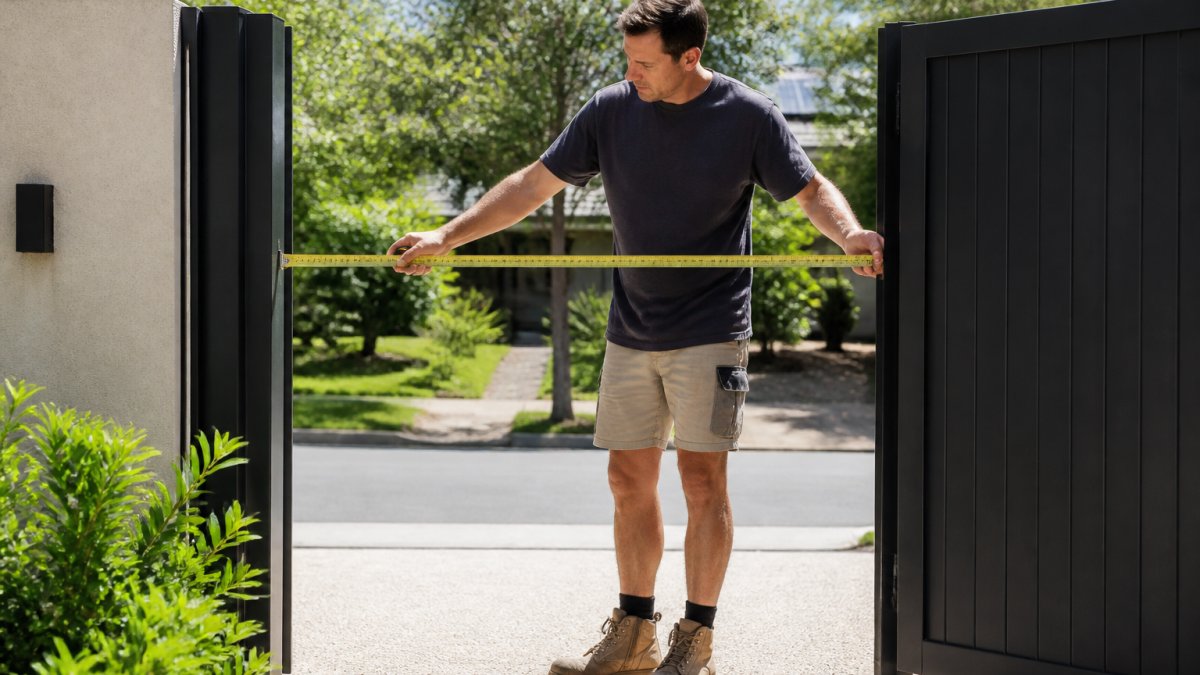
Measure your gate width and height. Don't guess. Use a tape measure. Note the exact measurements.
Walk the path the equipment will take from the street to your work area. Are there tight corners? Low branches?
Mini loaders are compact, but they still need space to manoeuvre. A machine that's 1.2 metres wide won't fit through a 1-metre gate.
Also check ground conditions on your access route.
If access is tight, tell the hire company. They can advise whether a particular machine will work, or suggest alternatives.
Mini Loader Hire Mackay for Versatile Small Acreage Work
A mini loader is one of the most versatile tools for small acreage. It can handle digging, moving soil, breaking ground, and working with different attachments depending on the job.
At MarKay Outdoors, we hire Kanga mini loaders that are built for exactly this kind of work. They're compact enough for residential access but powerful enough to handle serious jobs.
What a mini loader can and cannot do
A mini loader can dig, grade, move materials, and work with attachments like augers, buckets, and forks.
What it can't do: it won't remove stumps on its own (you need a stump grinder for that), and it's not designed for precision landscaping work like shaping fine details.
Think of a mini loader as your workhorse for heavy prep work. Once the ground is ready, you bring in specialised equipment like aerators or top dressers for the finishing touches.
Comparing mini loaders to single-purpose machines
A mini loader with attachments handles multiple jobs. A single-purpose machine does one thing very well but takes up space and costs more if you need several different tools.
For small acreage, hiring a mini loader for a weekend often makes more sense than hiring three separate machines. You get versatility and you pay one hire fee instead of three.
However, if you're only aerating a lawn, hiring just an aerator is cheaper and faster than hiring a mini loader. The decision depends on what you're actually doing.
Lawn Renovation Equipment Hire for Ground Preparation
Lawn renovation is a sequence. You don't just aerate or dethatch in isolation. The order matters.
Most small acreage owners benefit from a three-step approach: dethatch, aerate, then top dress. Each step prepares the ground for the next.
Lawn Aerator & Trailer Hire Mackay | Core Aerator Hire →
Dethatcher, aerator and top dresser selection
A dethatcher removes dead grass and organic buildup that stops water and air reaching the soil. It's the first step if your lawn feels thick or spongy.
An aerator removes small plugs of soil, relieving compaction. This opens pathways for water, air, and nutrients to reach the root zone.

A top dresser spreads sand, compost, or other fine materials evenly across the lawn. After aeration, topdressing fills the holes and levels uneven areas.
MarKay Outdoors hires all three. The dethatcher is available for same-day or 24-hour hire. The lawn aerator comes with a trailer, making transport straightforward.
Sequence and timing for lawn renovation
Do dethatch first. This removes the layer of dead material blocking everything else.
Aerate second. The aerator works better on ground that's already been dethatched, and aeration creates the holes that topdressing fills.
Top dress last. Spread your sand or compost after aeration while the holes are still open.
Space these steps a week or two apart if possible. Your lawn recovers better than if you do everything in one day.
Hire or Buy: Making the Right Decision
Not every tool is worth buying. For most homeowners, hiring makes more sense.
When hiring makes financial sense
If you use a tool once every two or three years, hire it. Buying costs money upfront, then storage, maintenance, and fuel between uses.
Lawn equipment is a good example. You might dethatch once a year or once every two years.
Mini loaders are similar. Unless you're running a landscaping business, hiring a Kanga for a specific project is cheaper than buying one.
Equipment hire also means you don't worry about breakdowns. If something goes wrong, the hire company handles it.
Storage, maintenance and frequency considerations
Before you buy, ask yourself: where will I store this? How often will I actually use it? Can I maintain it properly?
If you use equipment more than four or five times a year, buying might make sense. Below that, hire.
Storage is real. A mini loader or top dresser takes up space. A dethatcher needs somewhere dry. If you don't have the space, hire.

Maintenance matters too. Equipment needs fuel, oil changes, spark plug replacements. If you're not comfortable doing basic maintenance, hiring removes that burden.
Create Your Equipment Selection Checklist
Use this checklist when you're deciding what to hire for your small acreage project.
| Step | Action | Purpose |
|---|---|---|
| 1 | Measure acreage and list priority jobs | Identify what actually needs doing |
| 2 | Check soil type and ground conditions | Match equipment to your specific ground |
| 3 | Measure gates and access routes | Confirm equipment will physically fit |
| 4 | Rank jobs by importance | Decide which equipment to hire first |
| 5 | Determine hire frequency | Decide whether to hire or buy |
| 6 | Research equipment specifications | Match machine size to access and job |
| 7 | Contact hire company for advice | Confirm your choice before booking |
| 8 | Book equipment and arrange delivery | Lock in your hire dates |
Before you book, call the hire company. Tell them your acreage, your access constraints, and the job you're doing. They can confirm whether a particular machine will work and suggest alternatives if it won't.
Conclusion
Choosing property maintenance equipment for small acreage comes down to matching the machine to your actual property, your access, and your specific jobs. Measure first, then decide.
For small acreage lawn renovation, a dethatcher, aerator, and top dresser handle the full sequence. For site prep, ground work, and versatile digging, a mini loader with attachments covers most needs.
MarKay Outdoors hires all of these machines locally in Mackay. Visit the equipment hire page to check availability and book same-day, 24-hour, or multi-day hire. Our team can also help you choose the right equipment for your project if you're unsure which machine suits your access and job.
Frequently Asked Questions
What equipment is essential for maintaining small acreage?
The essential equipment depends on your property's specific needs. Most small acreage owners benefit from a rotary hoe for soil preparation, lawn aeration and dethatch equipment for turf health, and a top dresser for finishing work. If you have stumps or need to move soil, a mini loader offers versatility. Start by identifying your most pressing task, lawn renovation, soil preparation, or ground clearance, then select equipment that addresses that priority first.
Is it better to hire or buy equipment for property maintenance?
Hiring makes sense if you use equipment infrequently (once or twice per year), lack storage space, or want to avoid maintenance costs. Buying is worthwhile only if you'll use the equipment regularly across multiple seasons. For most homeowners managing small acreage, hiring offers flexibility without the expense of ownership, storage, and upkeep. Hire rates are affordable for single-day or weekend projects.
How do I check if equipment will fit through my property access points?
Measure your gate width, any narrow pathways, and the turning radius you'll need. Most compact hire equipment is designed to fit through standard residential gates (typically 1-1.5 metres wide), but always confirm dimensions before booking. If access is very tight, a mini loader may be narrower than alternatives. Contact the hire company with your measurements; they can advise whether their equipment will fit your property.
What factors should I consider when choosing machinery for lawn renovation?
Consider the current lawn condition: excessive thatch requires a dethatcher first, compacted soil needs aeration, and bare or uneven patches need top dressing. The sequence matters, dethatch, then aerate, then top dress, so you may need to hire different equipment over a few days or weeks. Lawn size also affects choice; larger acreage benefits from self-propelled spreaders rather than manual methods. Plan your renovation in stages to spread costs and hire the right tool for each phase.