

Table of Contents
- What Lawn Aeration Does
- What Top Dressing Achieves
- Best Time to Aerate Lawn in Queensland
- How to Top Dress a Lawn Properly
- Lawn Aeration Equipment Hire for DIY Renovations
- Combining Aeration and Top Dressing
- Common Mistakes to Avoid
- Frequently Asked Questions
Last Updated: August 31, 2026
What Lawn Aeration Does
Lawn aeration is the process of creating small holes or channels through the soil to relieve compaction and improve the movement of air, water and nutrients into the root zone. Over time, foot traffic, mowing, weather and general lawn use compress the soil beneath your grass, making it harder for roots to access what they need.
A core aerator, the most effective method, removes small plugs of soil from the lawn rather than simply punching solid holes. This distinction matters. Spiking creates temporary holes that close back up quickly. Core aeration physically removes soil plugs, leaving open channels that stay in place and allow deeper penetration of water, oxygen and nutrients.
The result is healthier, more resilient grass. Aerated lawns recover faster from stress, establish deeper root systems and respond better to other lawn treatments like top dressing. For lawns suffering from compaction, especially high-traffic areas or older established lawns, aeration can be transformative.
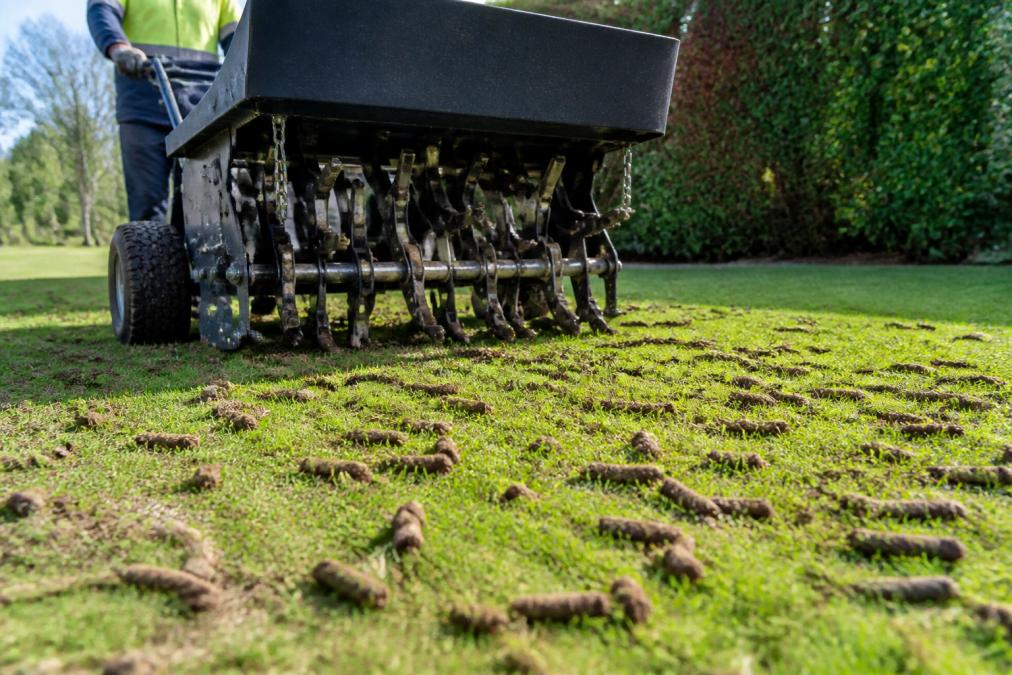
Many homeowners assume all lawn problems stem from poor maintenance. The truth is simpler: compacted soil is the bottleneck. You can fertilise, water and mow perfectly, but if the soil is too dense, those inputs won't reach the roots. Aeration fixes the underlying problem.
When you hire a core aerator, you're accessing equipment designed specifically for this job. The machine's weighted tines penetrate consistently, removing plugs at a regular depth and spacing. Manual methods take hours and deliver inconsistent results. Professional equipment does the work in a fraction of the time.
What Top Dressing Achieves
Top dressing is the application of a thin layer of quality material, typically sand, compost or a blended top-dressing mix, spread evenly across your lawn. This material works its way down into the soil profile over time, improving soil structure, filling minor low spots and creating a better growing environment for grass.
Top dressing alone won't solve severe compaction problems, but it complements aeration beautifully. After aeration creates open channels, top dressing material can work deeper into those channels. The combination addresses both compaction and soil improvement simultaneously.
The benefits of top dressing include levelling uneven areas, improving soil structure, encouraging new grass growth and creating a smoother playing surface. For lawns that are tired, thin or suffering from poor soil quality, top dressing can make a visible difference within weeks.
The key is consistency. A single pass with a spreader delivers material more evenly than manual spreading with a shovel and wheelbarrow. Professional equipment ensures even coverage at the right depth, typically 5-6 mm per application, so you don't end up with bare patches or overly thick sections.
Best Time to Aerate Lawn in Queensland
Timing matters when you're planning lawn aeration in Queensland's subtropical climate. The ideal window is during the growing season when grass can recover quickly and take advantage of improved soil conditions.
Spring (September through November) is the best time to aerate. Soil moisture is adequate, temperatures are warming and grass is actively growing. Autumn (March through May) is the second-best option. Avoid aerating during summer when heat stress is high or winter when growth slows significantly.
For Queensland lawns, spring aeration gives you the full growing season to benefit from improved soil conditions. Grass recovers faster, roots establish deeper and the lawn builds resilience before summer stress arrives.
Top dressing follows naturally after aeration. Apply it within a week or two of aerating so the material can work into the freshly opened channels. This timing maximises the benefit of both treatments.
Many local property owners delay lawn work until problems become severe. The smarter approach is preventative aeration every 2-3 years during spring. This keeps soil structure healthy before compaction becomes a real issue.
How to Top Dress a Lawn Properly
Top dressing done properly requires three key steps: preparation, application and settling.
First, prepare your lawn. Mow to a short, even height, around 10-15 mm. This ensures the top-dressing material makes good contact with the soil and doesn't sit on top of long grass. If your lawn is very compacted or has excessive thatch, consider dethatching or aerating before top dressing.
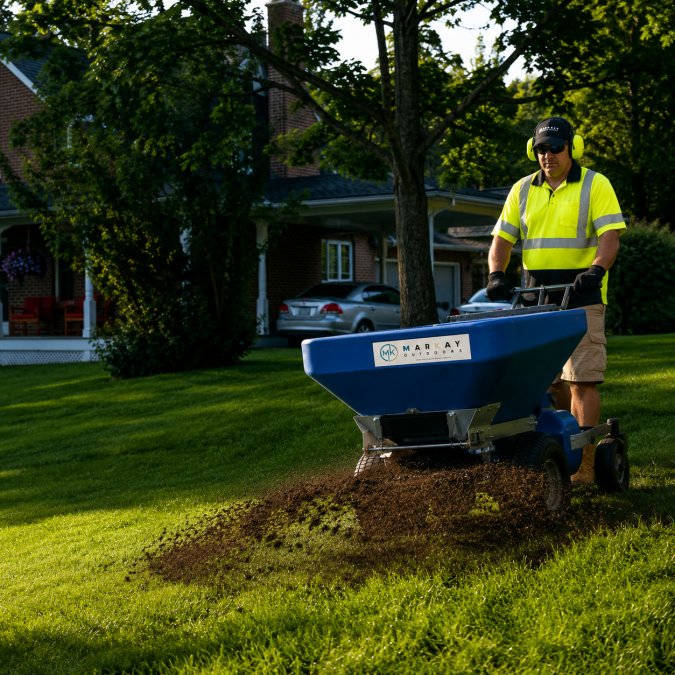
Second, apply the material. Manual spreading with a shovel and wheelbarrow works but is labour-intensive and inconsistent. A mechanical spreader applies material at a controlled rate and width, covering large areas faster and more evenly. Top Dresser Hire Mackay provides access to professional-grade spreading equipment that uses a conveyor and dual-spinner system to distribute material across the lawn at adjustable widths, covering substantially more ground than manual methods whilst maintaining consistent depth.

The right depth matters. Aim for 5-6 mm per application. Too shallow and the material doesn't integrate properly. Too deep and you risk smothering grass or creating an uneven surface.
Third, settle the material. Water the lawn gently after top dressing to help the material work into the soil and settle around grass plants. Light watering over several days is better than one heavy soaking.
Lawn Aeration Equipment Hire for DIY Renovations
Hiring aeration equipment gives you access to professional-grade machinery without the cost of buying and storing it long-term. For most homeowners, a single aeration project every few years makes hiring far more practical than ownership.
A core aerator removes soil plugs consistently across your lawn. The machine's weight and tine design ensure even penetration and spacing. Manual methods can't match this consistency, and the time savings alone justify the hire cost for lawns larger than 200-300 square metres.
Aerator Hire Mackay provides core aeration equipment with trailer included, making transport straightforward. The trailer is loaded with the aerator, ready to tow. You don't need to lift heavy equipment into a ute or arrange separate transport. Same-day and 24-hour hire options let you fit the job into your schedule.

Before you book, identify any buried services beneath your lawn. Irrigation lines, garden lighting and other utilities can be damaged by aeration tines. If you're unsure what's underground, contact your local council or utility locator service.
The soil should have adequate moisture for the coring tines to penetrate effectively. If your lawn is hard and dry, water it a day or two before you plan to aerate. Moist soil allows the tines to work properly without excessive force.
Combining Aeration and Top Dressing
The real power comes from combining aeration and top dressing as part of a complete lawn renovation. These two treatments address different problems and work together synergistically.
Aeration relieves compaction and creates pathways for air, water and nutrients. Top dressing improves soil structure and fills those aeration holes with quality material. Together, they transform tired, compacted lawns.
A typical renovation sequence works like this: dethatch (if needed) → aerate → top dress → fertilise → water. This order ensures each step builds on the previous one.
Dethatching removes excessive dead grass and organic buildup from the lawn surface. This exposes the soil so aeration tines can work effectively. Skipping this step means the aerator has to work through thatch rather than directly into soil.
After dethatching, core aeration opens the soil. The aeration holes create channels where top-dressing material can work deeper into the soil profile.
Top dressing then fills those channels with quality material, improving soil structure from the surface down. Fertiliser applied after top dressing works into the improved soil. Finally, water settles everything and activates the fertiliser.
This sequence takes 2-3 days of work spread over a week or two. Lawn Care Equipment Hire Mackay provides a combined package that includes both a dethatcher and core aerator, making the process more efficient. Everything arrives ready to use, and you complete both major stages without separate trips to collect and return equipment.

Many property owners attempt one treatment at a time and wonder why results are modest. The combination approach delivers visible improvements because you're addressing multiple problems simultaneously.
Common Mistakes to Avoid
The most frequent mistake is aerating without addressing what happens afterward. Aeration creates open channels, but if you don't follow up with top dressing, watering and proper care, the soil closes back up within weeks. Aeration alone is incomplete without the follow-up steps.
Another common error is poor timing. Aerating during dry summer months or cool winter months means grass recovers slowly. Spring aeration in Queensland gives grass the full growing season to establish deeper roots and take advantage of improved soil conditions.
Skipping preparation is equally costly. If your lawn has heavy thatch, the aerator works through dead material rather than directly into soil. Dethatching first ensures aeration is effective. Similarly, mowing before top dressing ensures material makes good contact with soil rather than sitting on long grass.
Inconsistent top-dressing depth creates an uneven result. Manual spreading often leaves bare patches and thick sections. Professional equipment applies material at a consistent depth across the entire lawn, delivering a smooth, even finish.
Many homeowners underestimate soil moisture. Hard, dry soil resists aeration tines and makes the job harder. Watering your lawn a day or two before aeration allows tines to penetrate properly.
Finally, avoid aerating without knowing what's buried beneath your lawn. Irrigation lines, electrical cables and other utilities can be damaged. Always locate and mark these before you start.
Lawn aeration and top dressing are the foundation of lawn renovation. If your lawn is compacted, thin or showing signs of stress, these two treatments address the underlying problems rather than just masking symptoms. Spring is the ideal time to tackle this work in Queensland's climate, and hiring professional equipment makes the job manageable for any homeowner. MarKay Outdoors provides core aerator hire with trailer included, along with professional-grade top-dressing equipment, so you have access to the right tools without the cost of ownership. Get started with lawn renovation equipment hire and transform your lawn from the ground up.
Frequently Asked Questions
Should I aerate or top dress my lawn first?
Aerate before top dressing. Core aeration removes soil plugs and opens compacted ground, creating channels where top-dressing material can work into the soil profile. This order—dethatch, aerate, then top dress—ensures each process builds on the last. The aeration holes help top-dressing material settle properly rather than sitting on the surface.
What are the primary benefits of core aeration?
Core aeration relieves soil compaction by removing small plugs of soil, creating pathways for air, water and nutrients to reach the root zone. This improves root development, reduces waterlogging in heavy soils, and strengthens grass plants. It's particularly effective for lawns with heavy foot traffic or where soil has become hard and dense over time.
How often should a lawn be aerated?
Most established lawns benefit from aeration every 1–2 years, depending on soil type and use. Heavy-traffic areas, clay-heavy soils and lawns showing compaction symptoms may need annual aeration. Sandy soils typically compact less, so aeration may be needed less frequently. Assess your lawn's condition rather than following a rigid schedule.
Can I aerate and top dress in the same hire period?
Yes. Many DIY renovators hire both machines during the same visit. Aerate first, then top dress once aeration is complete. The Lawn Care Trailer package includes both a dethatcher and core aerator, and you can add the ECO250-S Sand Spreader for top dressing. This approach completes major renovation stages in one weekend.
This article was written using GrandRanker